
How much does a destination wedding in Italy cost?
July 28, 2026
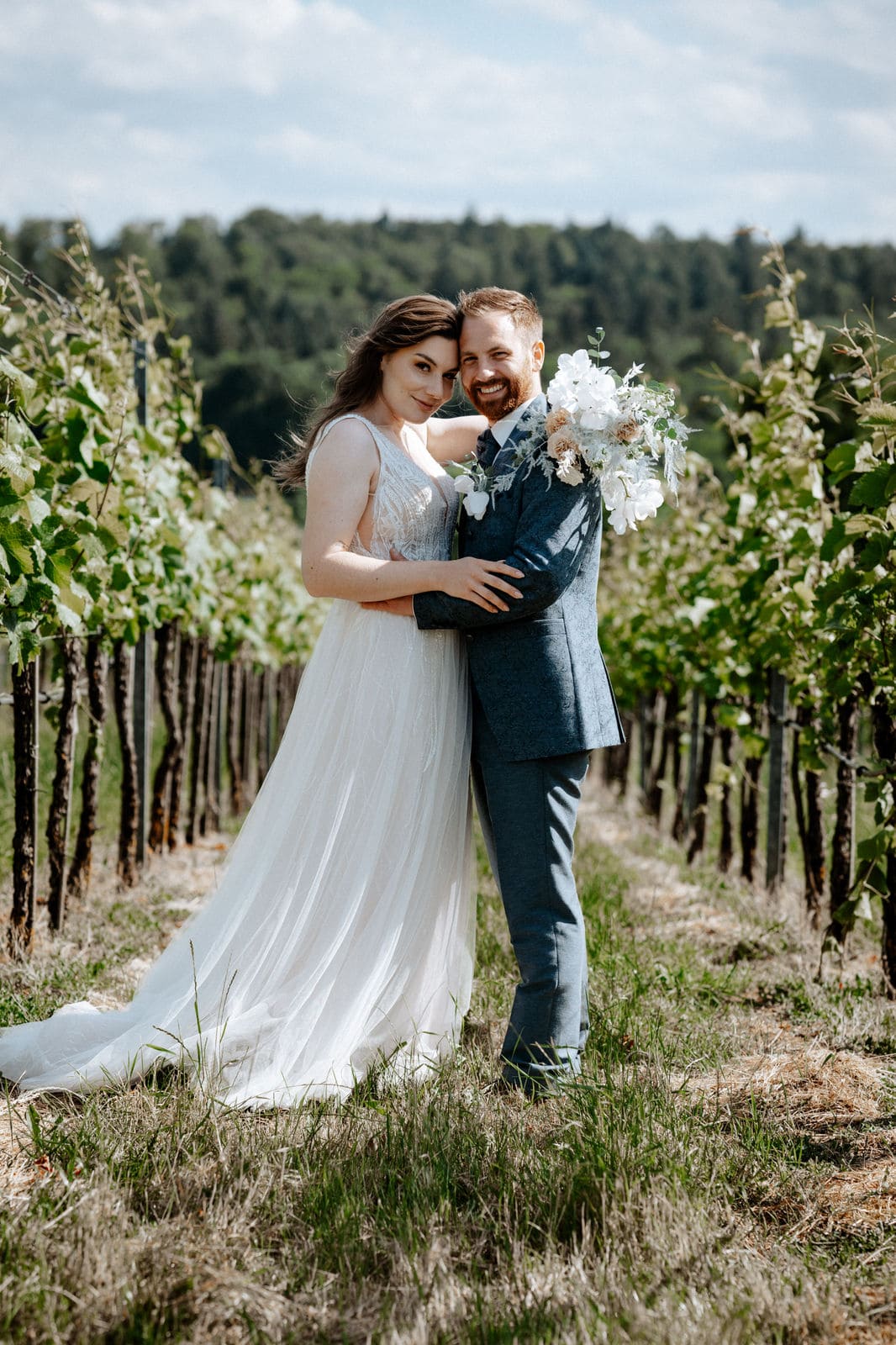
How much does a destination wedding in Italy cost?
Budget planning for a wedding in Italy
A destination wedding in Italy combines unique locations with a planning process that differs significantly from a traditional wedding. To help you estimate costs realistically and avoid common pitfalls, I will show you what expenses couples face, how to structure your budget effectively, and which factors are important regarding venues, vendors, travel, and legal requirements. This will give you a clear foundation for making decisions that align with your vision and your financial framework.
How much does a destination wedding in Italy cost?
Definition and benefits of a destination wedding
A destination wedding is intentionally held outside of your hometown or abroad. Italy is one of the most popular destinations because the country offers romantic landscapes, excellent food, and a variety of styles. Whether in Tuscany, on Lake Como, on the Amalfi Coast, or at a vineyard – for many couples, it combines a vacation vibe with a special wedding experience.
One advantage is the atmosphere. A celebration in Italy often feels more personal, intense, and communal, as guests are usually there for several days . Furthermore, a destination wedding can help you curate your guest list thoughtfully. Instead of a large celebration, many couples opt for a smaller, exclusive event with their inner circle. This creates more intimacy and allows for a clear focus during the wedding planning process.
Budget planning for a destination wedding in Italy
The central question is: What total budget should couples expect? There is no one-size-fits-all figure , as costs vary significantly depending on the region, season, number of guests, and your expectations. As a rough guide, a destination wedding in Italy for small to medium-sized groups often ranges between 30,000 and 80,000 euros. However, exclusive celebrations in popular regions can be significantly more expensive.
To keep your budget planning realistic, it is worth breaking it down into main categories. These include the venue, catering, decor, stationery, photography and videography, music, styling, wedding officiant, floral design, transport, as well as travel and accommodation. Couples should also include a buffer of about 10 to 15 percent . For a wedding abroad, there are often incidental costs that are easily underestimated at first, such as transfers, technical equipment, rental items, or fees for external service providers.
It is helpful to set priorities first. For some couples, an exclusive villa is the top priority, while for others, it is the emotional photos or a special outdoor dinner. Knowing what is truly important helps you make better-informed decisions during the planning process and avoids unnecessary expenses that strain the budget.
Typical cost factors in wedding planning
The largest cost blocks are often the venue and catering. In Italy, many venues are in high demand, especially from May to September. The number of guests also plays a role; with every additional guest, the costs for food and drinks increase, often along with furniture, service requirements, and logistics.
Another important point is the service providers. Working with experienced professionals may be more expensive, but it usually offers more planning security, clear communication, and higher quality. Additionally, there are travel costs, overnight stays, and potential expenses for welcome dinners or a brunch the following day. Since a destination wedding often involves more than just the wedding day itself, you should keep the big picture in mind.
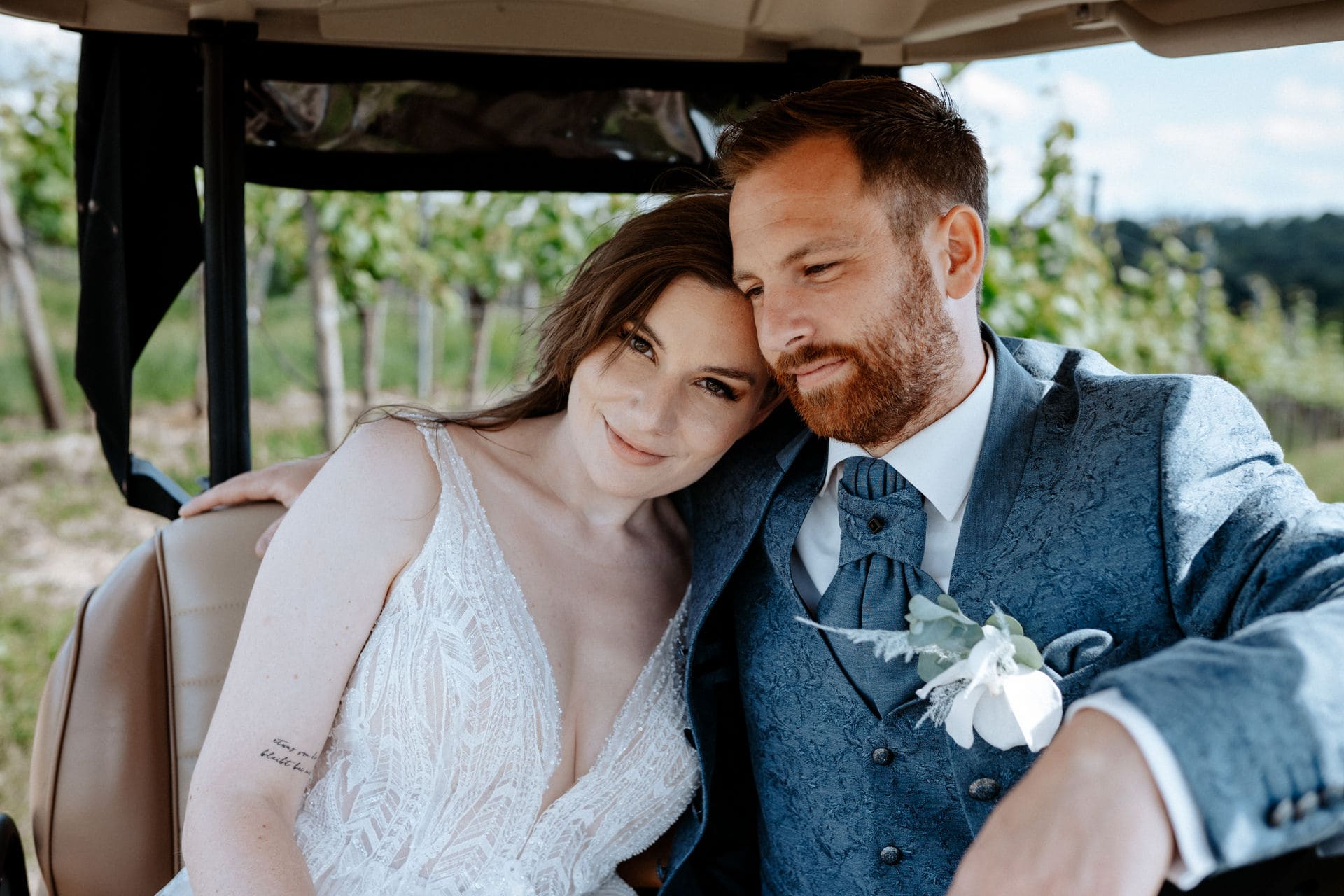
Costs in detail: What should couples budget for?
Venue: Choosing the perfect location
The venue influences the style, flow, and budget. In Italy, the selection ranges from country estates and boutique hotels to historic villas and coastal spots. Depending on the region and exclusivity, rental costs can vary from a few thousand to over 15,000 euros . Some providers charge only a venue rental fee, while others offer packages that include accommodation, catering, or a minimum spend requirement.
It is worth taking a close look at what is included in the price. Are tables, chairs, lighting, and bad-weather options already covered, or will these be extra? You should also clarify curfews, noise restrictions, and exclusivity early on.
Service providers: Wedding planners, photographers, and more
Experienced service providers are especially valuablefor a destination wedding. A wedding planner assists with communication, scheduling, budget management, and on-site coordination. Depending on the scope, their fee may be a flat rate or a percentage of the budget. You will also need photographers, videographers, florists, musicians, officiants, and stylists, whose rates depend on their experience, travel distance, and the scope of services.
Especially when it comes to photography and video , couples should look beyond the price and consider style and reliability. High-quality memories are what remain after the celebration. It is also advisable to compare quotes carefully and check whether travel expenses, accommodation, and additional hours are already included.
Travel and accommodation costs for the couple and guests
Travel and accommodation costs are often underestimated. For the couple, this usually includes flights or travel, lodging, transfers, and possibly a rental car. For multi-day celebrations, there are additional costs for welcome dinners, group breakfasts, or shuttles between the accommodation and the venue.
Although guests typically pay for their own travel, this factor has a major impact on the overall planning. Couples should communicate early on about the price range of local accommodations and whether room blocks can be reserved. Prices rise noticeably during peak season, especially in popular regions. Transparent planning and providing realistic information ensures better planning security and a relaxed foundation for the entire celebration in Italy.
Frequently Asked Questions About Destination Weddings in Italy
How much time is needed to plan a destination wedding?
For a destination wedding in Italy, couples should ideally allow 12 to 18 months for planning. Especially in popular regions like Tuscany, the Amalfi Coast, or Lake Garda, the best venues book up quickly during peak season. If you have your heart set on a specific villa, boutique hotel, or vineyard, you will benefit from a longer planning timeline.
A wedding abroad generally requires more preparation. Beyond the venue, catering, and decor, you also need to coordinate travel, accommodations, language barriers, and local vendors. If you plan to have a civil ceremony in Italy, you should also factor in enough time for paperwork and official requirements.
Shorter planning periods are possible, especially for smaller celebrations or off-season dates, but they require quick decision-making and flexibility. Planning becomes much more relaxed when couples set priorities early and book key vendors—such as planners, photographers, or bands—well in advance.
What are the legal requirements for getting married in Italy?
Legal requirements depend on whether the ceremony is symbolic, religious, or civil. Many couples choose to have a civil marriage in their home country and hold a symbolic or commitment ceremony in Italy. This simplifies the bureaucracy and allows for more freedom in choosing the location and the flow of the day.
Those who wish to be legally married in Italy generally need various documents, such as valid passports, international birth certificates, and, depending on the situation, additional proof. You will usually need to account for translations, certifications, and specific deadlines. Since requirements can vary by municipality, it is important to check them early on.
It is advisable to get information directly from the relevant Italian municipality or through an experienced wedding planner. This helps avoid misunderstandings and ensures your documents are prepared in time. Proper organization of your paperwork is crucial for international weddings.
How do you choose the right wedding venue?
The ideal venue should not only be visually appealing but also align with the style, budget, and flow of your wedding. A masseria in Puglia, a villa on Lake Como, or a country house in Tuscany each offer a distinct atmosphere. It is therefore worth defining the desired mood first before comparing potential locations.
Important questions to consider include: How many guests can be comfortably accommodated? Is there a backup plan for bad weather? Are there any restrictions, such as curfews or noise ordinances? How will guest transportation be organized? Technical requirements like power supply, lighting, and space for music or dancing should also be clarified early on.
On-site visits or detailed virtual tours are very helpful. If the atmosphere is a top priority, you should also factor in the musical entertainment. A professional wedding DJ can elevate the evening, provided the venue offers the necessary facilities.
What are common mistakes when planning a destination wedding?
A common mistake is underestimating the budget. Many couples focus initially on the venue and catering, but overlook additional costs such as transfers, welcome dinners, technical equipment, fees, or accommodation. In Italy, seasonal price fluctuations can be significant.
Another issue is starting the planning process too late. Popular dates between May and September are in high demand, and top-tier vendors are often booked well in advance. Starting late often means having to compromise on the location, date, or quality.
Poor communication with guests is another factor. For a destination wedding, guests typically need more time to arrange time off, flights, and accommodation. Sending "Save the Date" notices and providing clear information helps prevent questions and uncertainty.
- A budget buffer of about 10 to 15 percent
- Contracts and services in writing
- Organize travel and transfers early
- Consider weather, season, and local holidays when planning
What are some tips for working with service providers in Italy?
Collaboration works best when expectations are clear from the start. Couples should be as specific as possible about their preferences regarding style, schedule, budget, and communication. Mood boards, timelines, and checklists are useful tools for avoiding misunderstandings.
It is also important to designate specific points of contact. This structure saves time, especially when dealing with many different parties such as florists, caterers, photographers, musicians, and the venue. When planning from afar, regular updates via email or video calls, along with thorough documentation of all agreements, are essential.
One advantage of local experts is their network and experience with local procedures. At the same time, couples should be careful to compare quotes closely and ask exactly what is included. This keeps wedding planning well-organized and transparent, even from a distance.
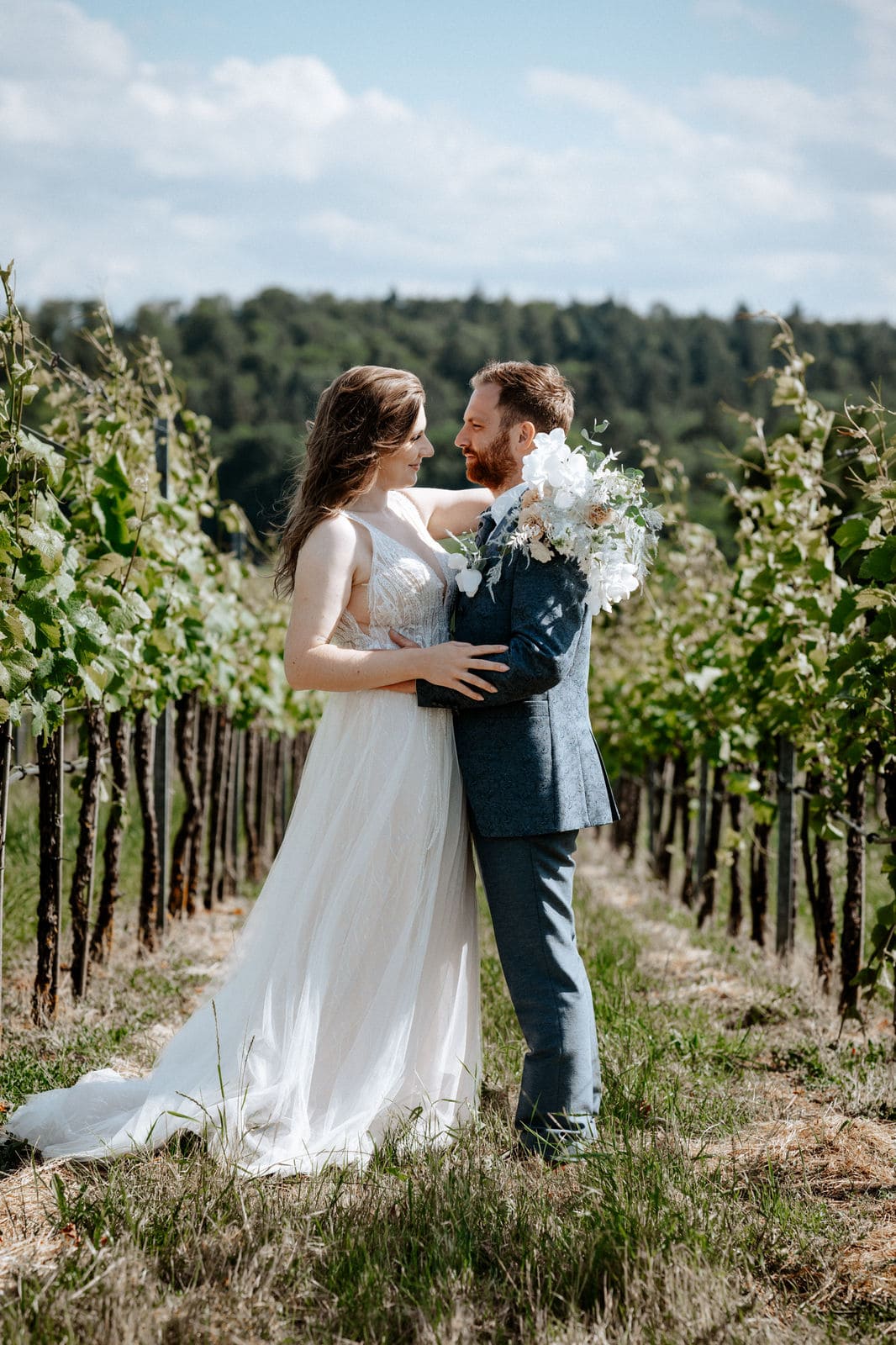
Conclusion: Cost transparency for destination weddings in Italy
A destination wedding in Italy offers many couples an appealing combination of travel, emotion, and a stunning backdrop for their wedding day. The many images of Tuscan estates, historic villas, lemon groves on the Amalfi Coast, or romantic masserias in Puglia often create the impression that a fixed standard budget is sufficient. In reality, however, the total price depends heavily on individual priorities . Cost transparency is therefore the key to stress-free decision-making and realistic wedding planning.
Those who identify early on which expenses are essential and where there is room for flexibility, you can tailor your celebration to your own vision instead of being guided solely by individual ideals or general average prices. Especially with a destination wedding, it is not just the number of guests that influences the costs. Therefore, it makes sense not only to obtain quotes but also to compare them in detail. What matters is what is actually included in the quotes and what additional costs might arise later on.
For couples, it is helpful to think of the budget in two main categories. The fixed primary costs such as the venue, catering, planning services, and photography. And the variable costs, which depend on the style and scale of the celebration, such as floral arrangements, stationery, music, or shuttle services. There are often incidental costs as well, such as fees, equipment, service charges, or travel expenses, which are easily overlooked. These incidental costs, in particular, can be the deciding factor in staying within your budget.
Cost transparency does not mean that you have to cut costs everywhere. It is more about investing strategically. If couples prefer a personal ceremony, a high-quality dinner, or a special atmosphere over a long guest list, they can focus their resources there. Having fewer scheduled activities can also be a smart way to ensure quality and a cohesive overall experience. Thoughtful decor for a destination wedding can often define the character of the celebration more than a long list of additional extras.
Another important point is open communication between the couple and the service providers. Good vendors do not just provide a total price; they also explain exactly which services are included, which options can be added, and what realistic additional costs to expect. This transparency builds trust and helps avoid misunderstandings. This is especially important for a destination wedding, as coordination and decisions often have to be made from afar.
A financial buffer is also advisable. Even with solid planning, not all changes can be foreseen in advance. Seasonal price fluctuations, changes in the number of guests, or additional transfers can strain the budget. A small reserve provides security and allows you to react flexibly to adjustments without having to compromise on important aspects. Many couples find this a relief in hindsight, as not every small change immediately causes uncertainty triggers.
Ultimately, a wedding in Italy is not automatically more expensive or cheaper than a celebration in Germany. The cost structure is simply different. Some cost categories have a greater impact, while others have less. It often results in a more immersive overall experience that combines the wedding celebration, travel, and quality time with loved ones. By clearly defining your budget, setting priorities, and reviewing quotes, you can plan a stylish and heartfelt celebration that is both financially and logistically manageable.
The most important takeaway is this: a successful destination wedding does not necessarily require the largest budget, but rather, above all, clarity. The more transparent the costs are from the start, the easier it is to align your wishes with your possibilities. This turns complex wedding planning into a reliable process that builds anticipation and makes planning a wedding in Italy easier—one that looks beautiful and feels just as good.
Photographer: Emotionpix


