When Renaissance meets modern wedding aesthetics
May 12, 2026
When Renaissance meets modern wedding aesthetics
Why old art still moves us today
The Renaissance fascinates us today not as a historical costume, but as an aesthetic mindset: through carefully composed color harmonies, rich materials, and a visual language that makes emotions tangible. More and more couples are discovering this era as a source of inspiration for their wedding — not to recreate history, but to reinterpret timeless beauty in a modern way. In this article, I’ll show you how to incorporate Renaissance-inspired elements into your wedding design, which creative decisions make the biggest difference, and how to collaborate with vendors in a way that feels refined and intentional rather than theatrical or overwhelming.
Renaissance Weddings in Modern Wedding Design — Why This Aesthetic Fascinates Again Today
Photography: Johanna Hollstein
What makes Renaissance aesthetics so appealing for modern wedding design
The Renaissance was an era in which art, beauty, and humanism flourished once again. This combination of emotional depth and aesthetics is exactly what makes it so compelling for modern wedding design today. Old paintings still move us because of their rich color palettes, carefully composed imagery, and the way light and shadow create an almost magical atmosphere. The concept A Renaissance of Love draws precisely from these elements and translates them into a contemporary wedding aesthetic somewhere between artistic still lifes and editorial storytelling.
Unlike many short-lived wedding trends, Renaissance aesthetics are rooted in a visual language that has evolved over centuries. Chiaroscuro lighting with its dramatic contrast between light and darkness, balanced compositions, and the symbolic depth of individual elements add a layer of meaning that goes far beyond decoration. For couples who value intentional details and a wedding atmosphere with a strong editorial and artistic sensibility, this aesthetic feels especially timeless and powerful.
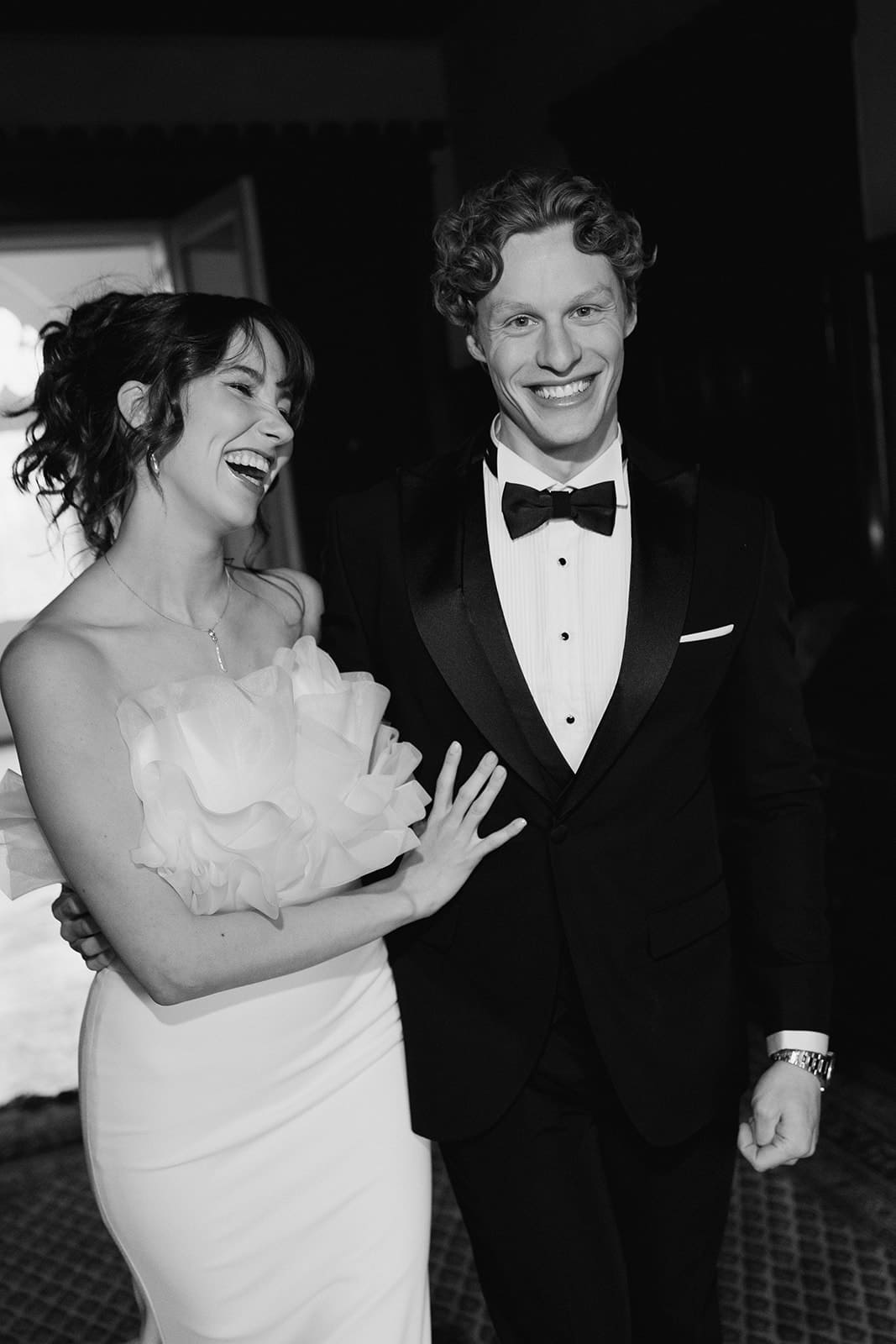
Photography: Johanna Hollstein
Which couples are especially drawn to this wedding aesthetic
A Renaissance-inspired wedding is particularly suited to couples who feel drawn to museums, classical art, and historic architecture. If you would rather spend a city trip wandering through galleries than lying on a beach, or if the atmosphere of old libraries, palazzi, and historic interiors fascinates you, this aesthetic will likely resonate deeply with you. It appeals to people who do not see beauty as superficial decoration, but as an expression of culture, meaning, and history.
This style also feels especially authentic for couples with a creative, artistic, or cultural background. It works beautifully when there is already a personal connection to historic spaces or when the wedding takes place in a venue with Renaissance architecture or a similarly timeless atmosphere. At the same time, you do not need to be an art historian to embrace this aesthetic. What matters is not historical accuracy, but the feeling this era evokes — depth, romance, atmosphere, and timeless beauty.
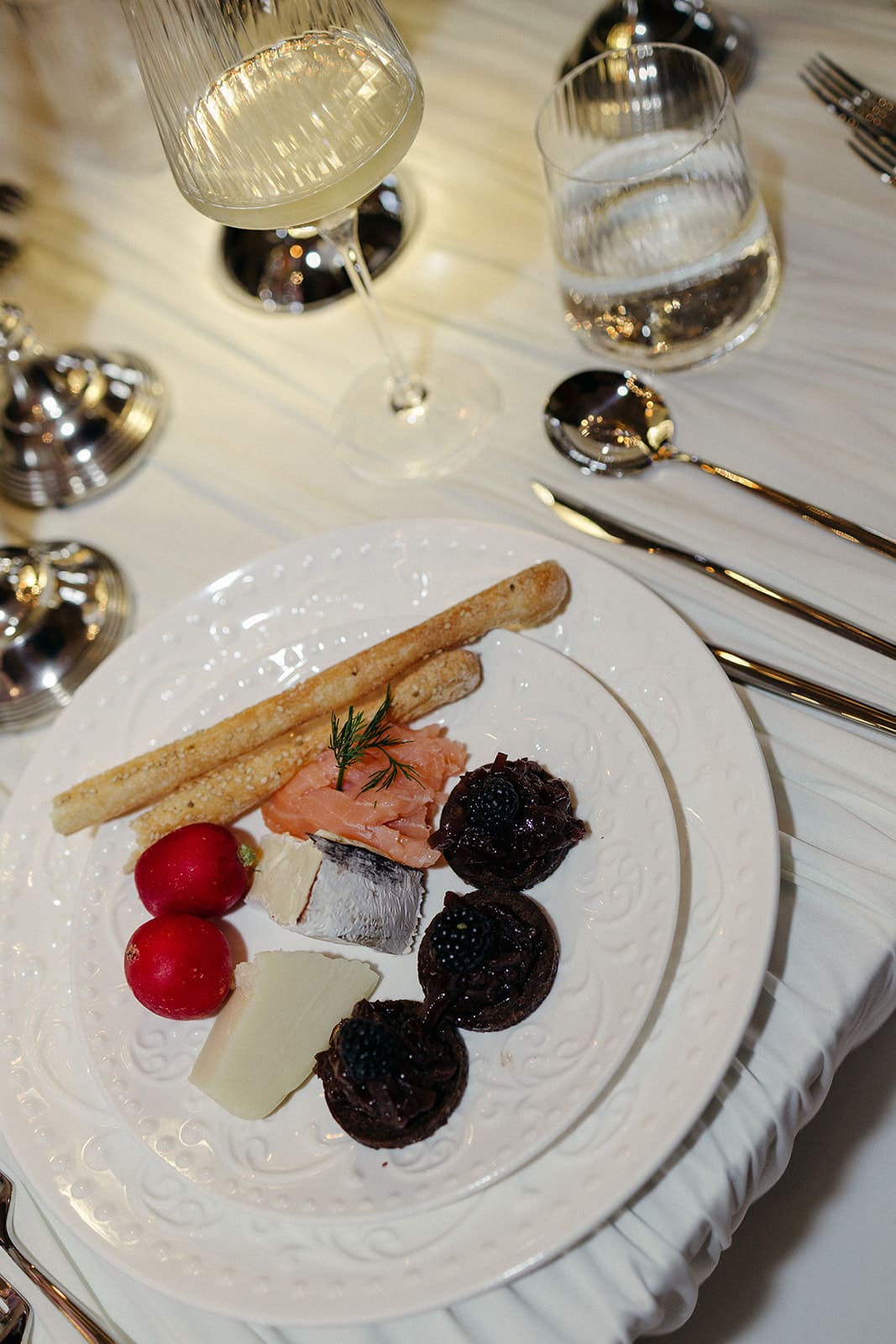
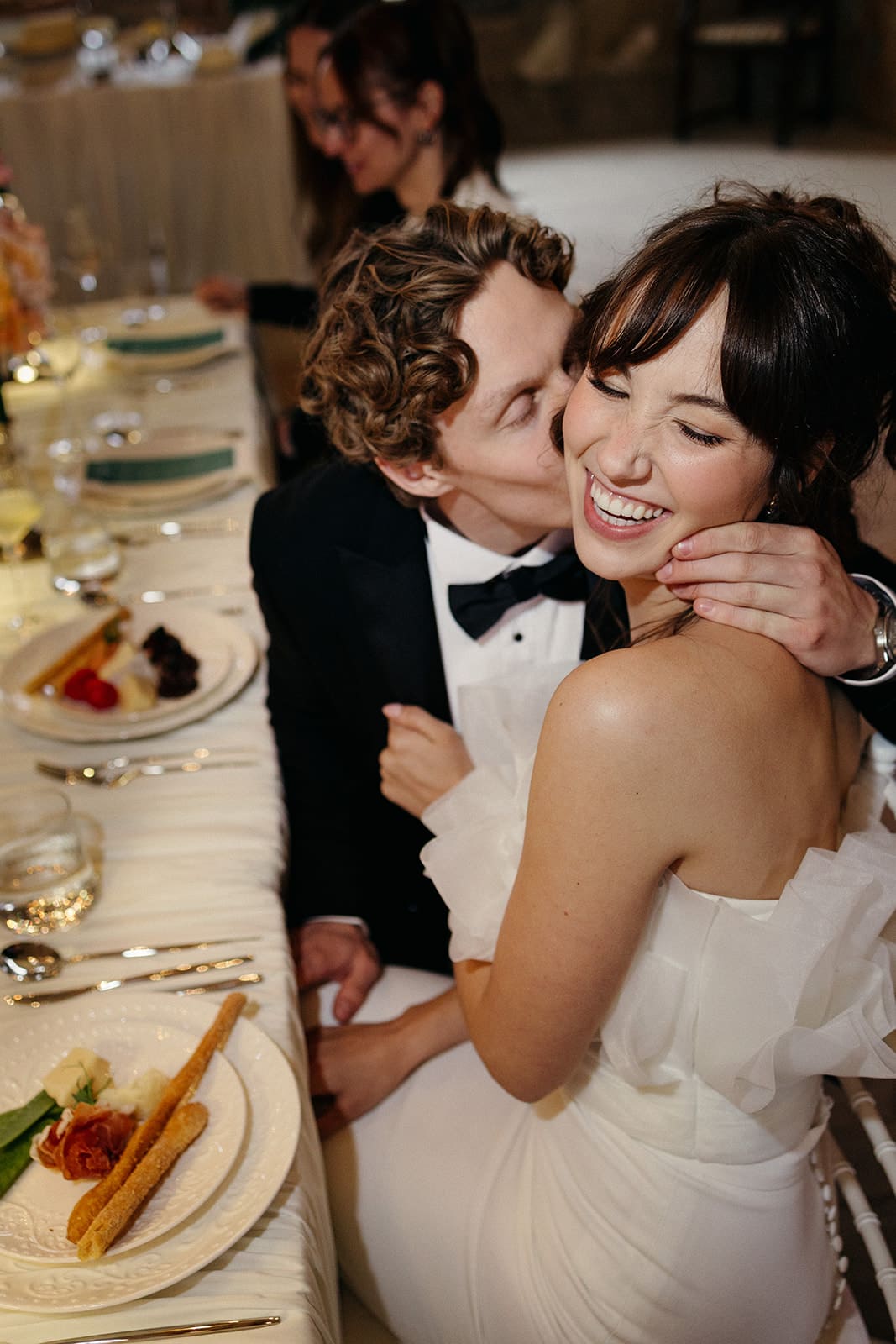
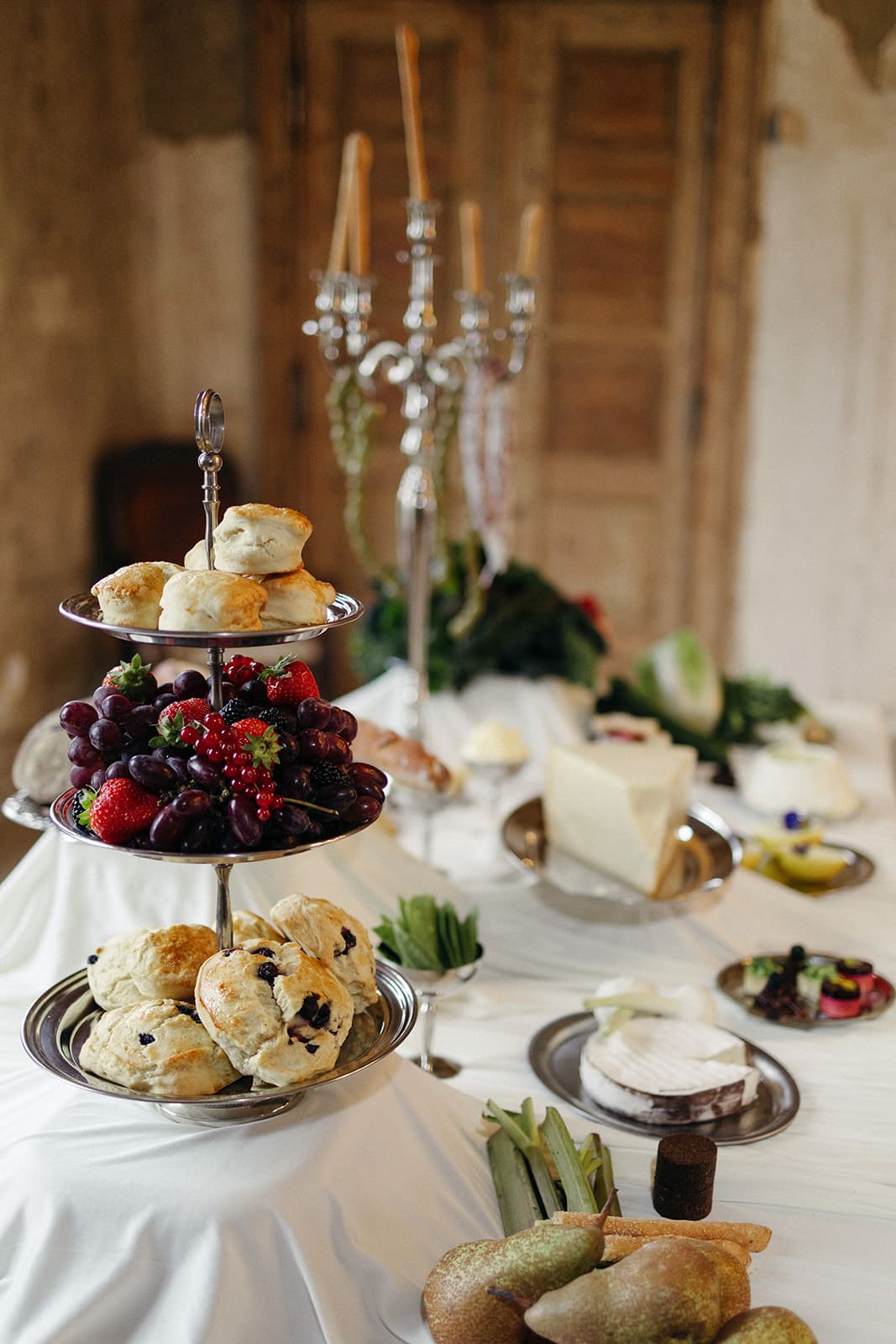
Photography: Johanna Hollstein
The difference between historical imitation and modern interpretation
One of the most common mistakes with historically inspired weddings is trying to recreate an era too literally. The result can quickly feel more like a costume party than a contemporary celebration. A modern interpretation, by contrast, intentionally focuses on just a few key Renaissance elements. This might include earthy terracotta tones, deep burgundy, or ultramarine blue within the color palette, combined with the characteristic interplay of candlelight and soft directional lighting.
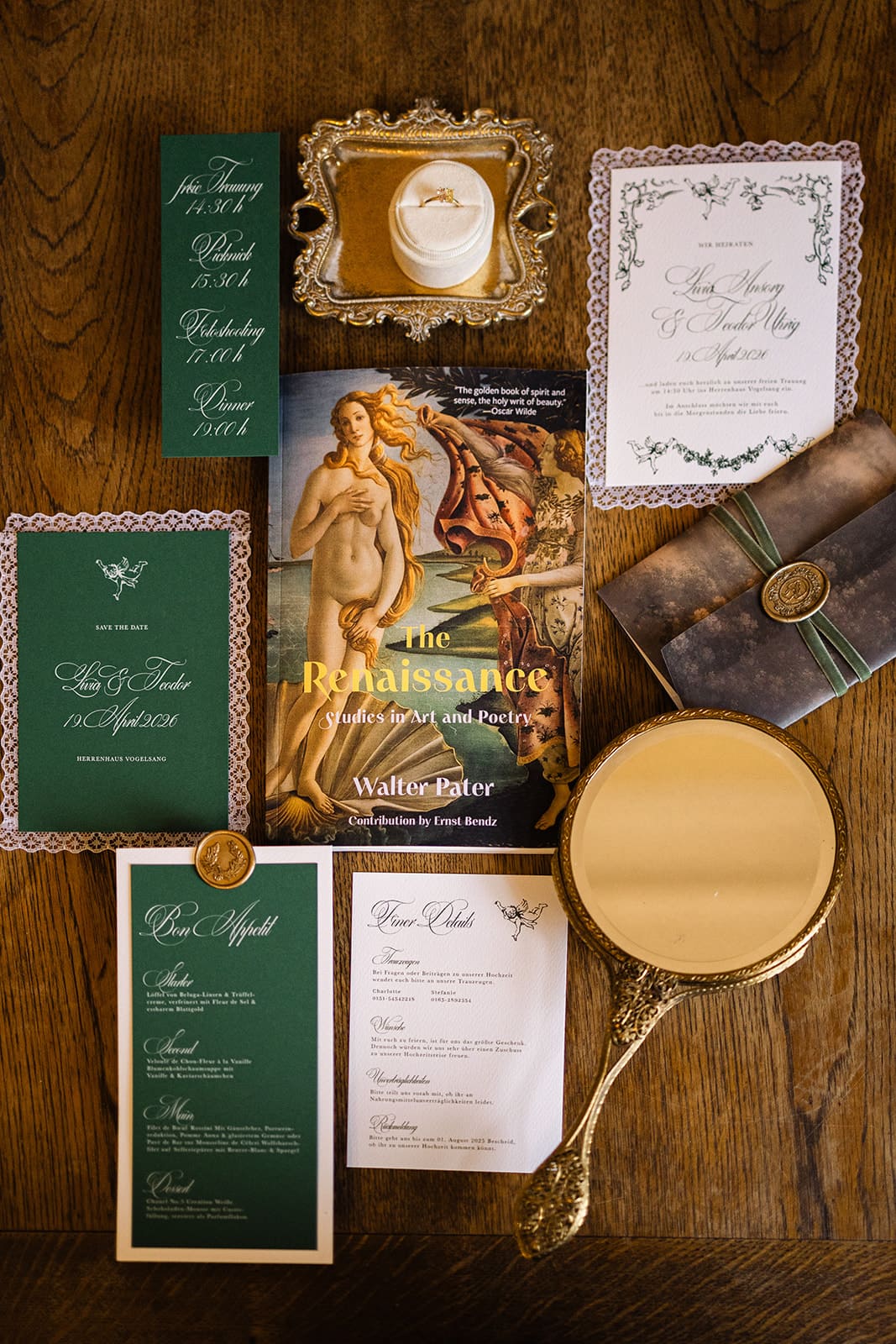
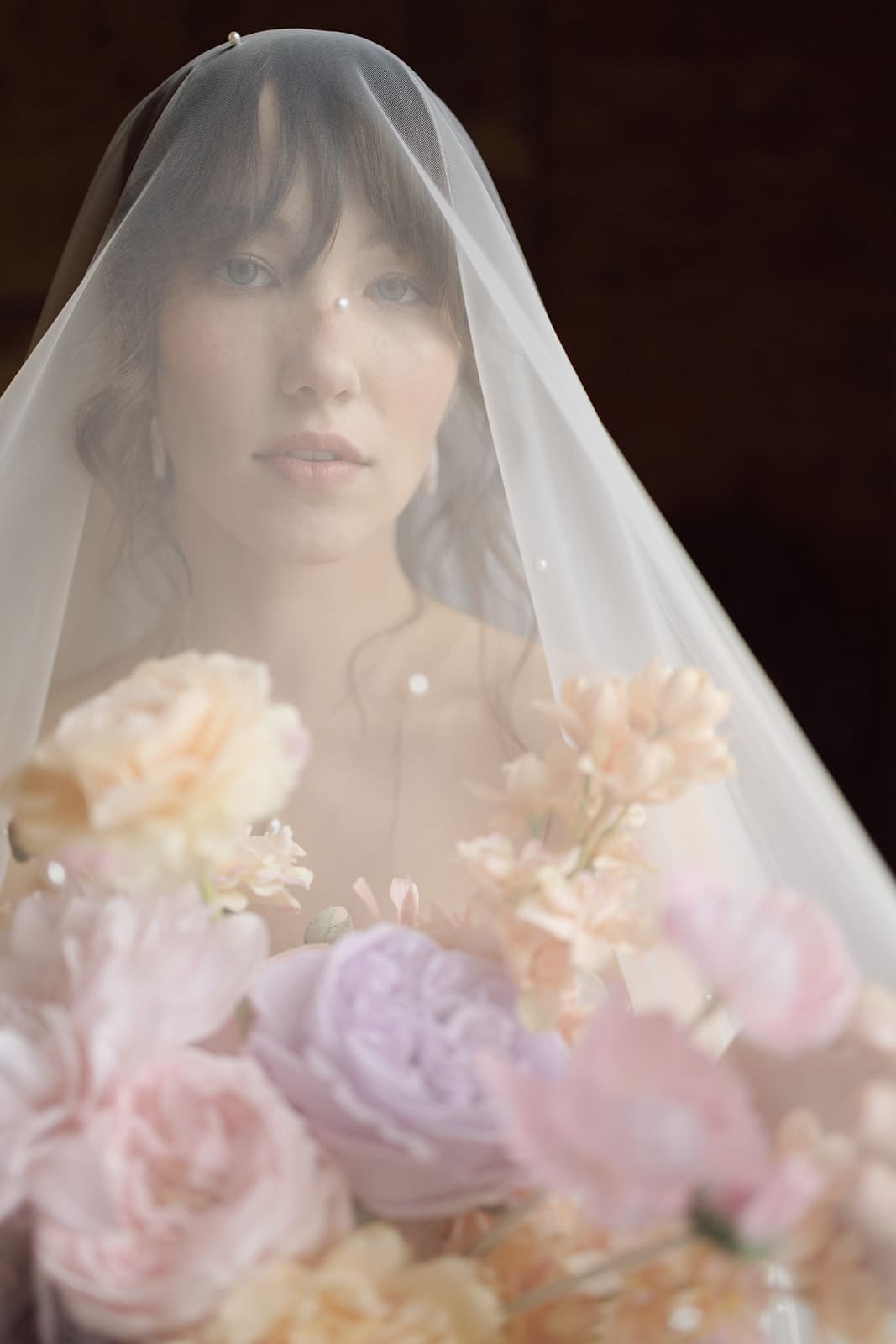
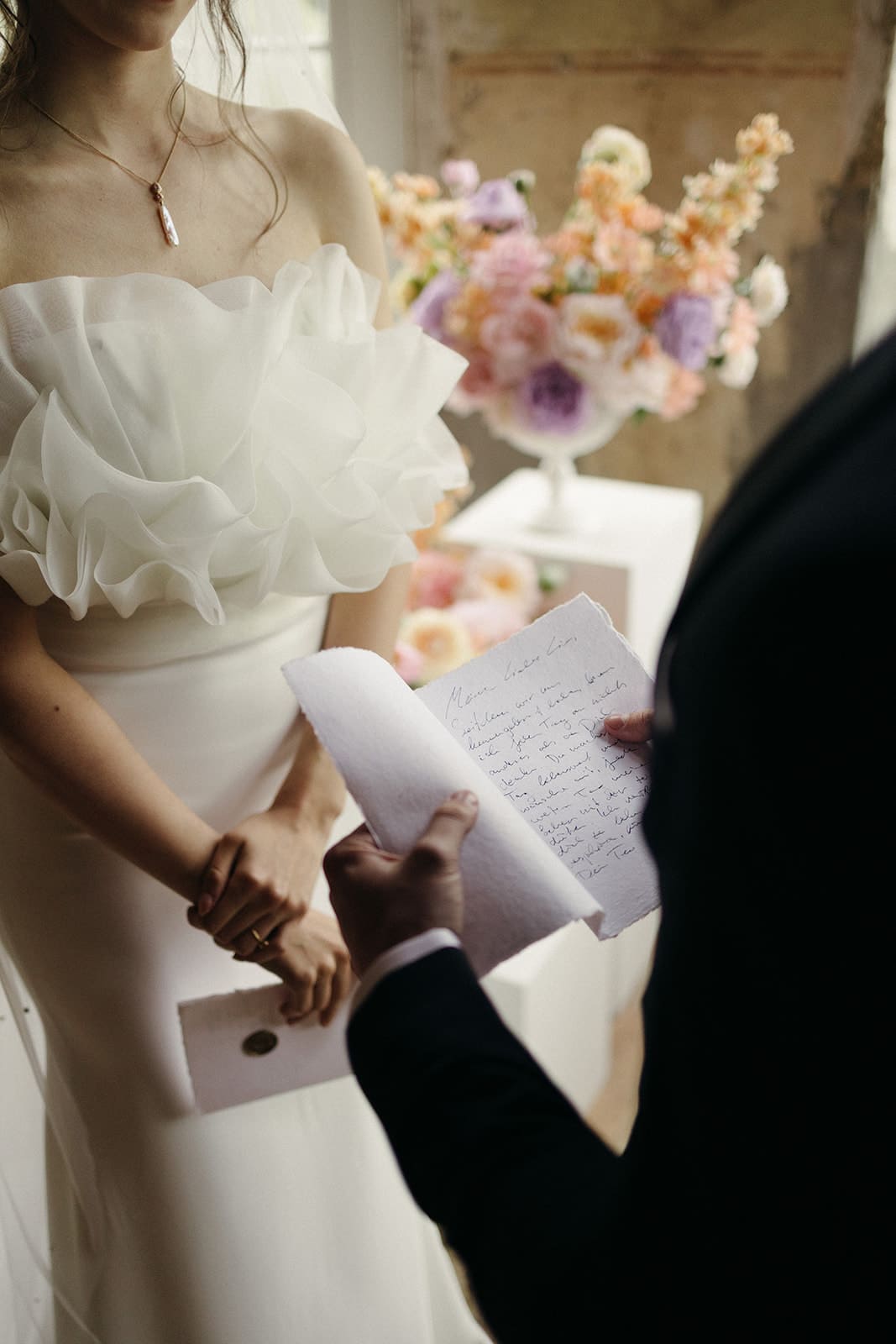
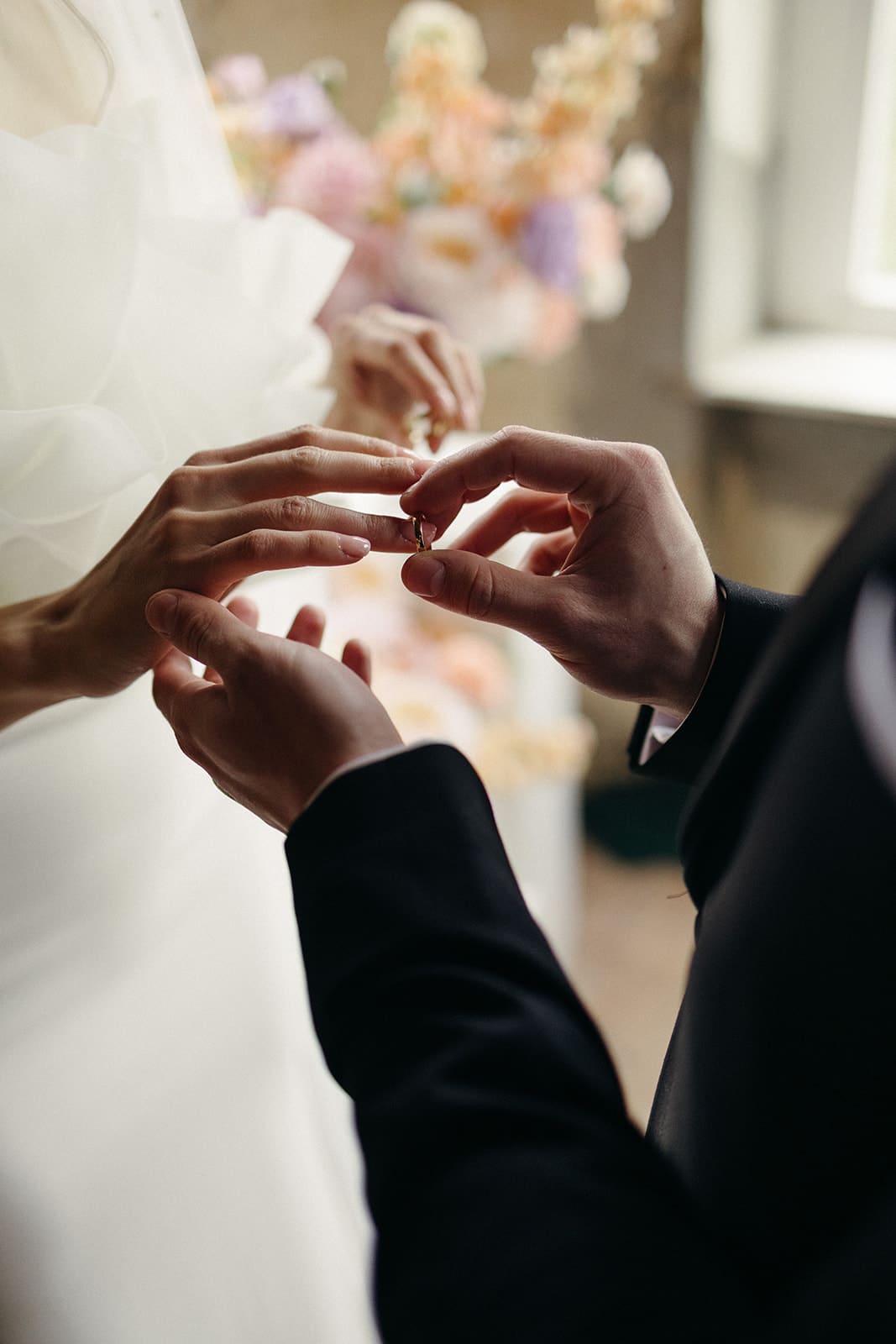
Instead of heavy historical costumes, the styling leans toward clean, contemporary silhouettes in bridal fashion, paired with refined decorative details inspired by Renaissance still lifes — arrangements featuring grapes, pomegranates, and sculptural florals. Symbolism remains subtle: a mirror as an accessory, pearls woven into the jewelry, laurel incorporated into the floral design. The result is a cohesive aesthetic that honors the atmosphere and beauty of the Renaissance without becoming theatrical or overly literal.

Photography: Johanna Hollstein
Farbpaletten, Materialien und Stilelemente - so übersetzt ihr Renaissance in eure HochzeitColor palettes, materials, and design elements — how to translate Renaissance aesthetics into your wedding
Which colors define the Renaissance aesthetic and how to use them in a modern way
The Renaissance color palette is defined by richness, depth, and intensity. Earthy terracotta tones create a warm foundation, while deep burgundy and emerald green add saturated accents. Ultramarine blue introduces elegance and coolness, while touches of gold create intentional highlights. These colors never feel flat or pastel — they evoke the luminous pigments of old oil paintings with their unmistakable richness and depth.
A contemporary interpretation works best when the palette is used with restraint rather than excess. Instead of combining every color at once, focus on two dominant tones paired with one metallic accent. Burgundy and gold layered with soft cream tones immediately create a Renaissance-inspired atmosphere without feeling overwhelming. Terracotta combined with emerald green and copper offers a more modern and understated interpretation of the aesthetic.
What makes these palettes feel timeless is their complexity. The colors carry warmth, shadow, and contrast — much like the paintings that inspired them. And this depth creates an atmosphere that feels emotional rather than trend-driven.
Photography: Johanna Hollstein
Fabrics, stationery, and decorative elements with Renaissance character
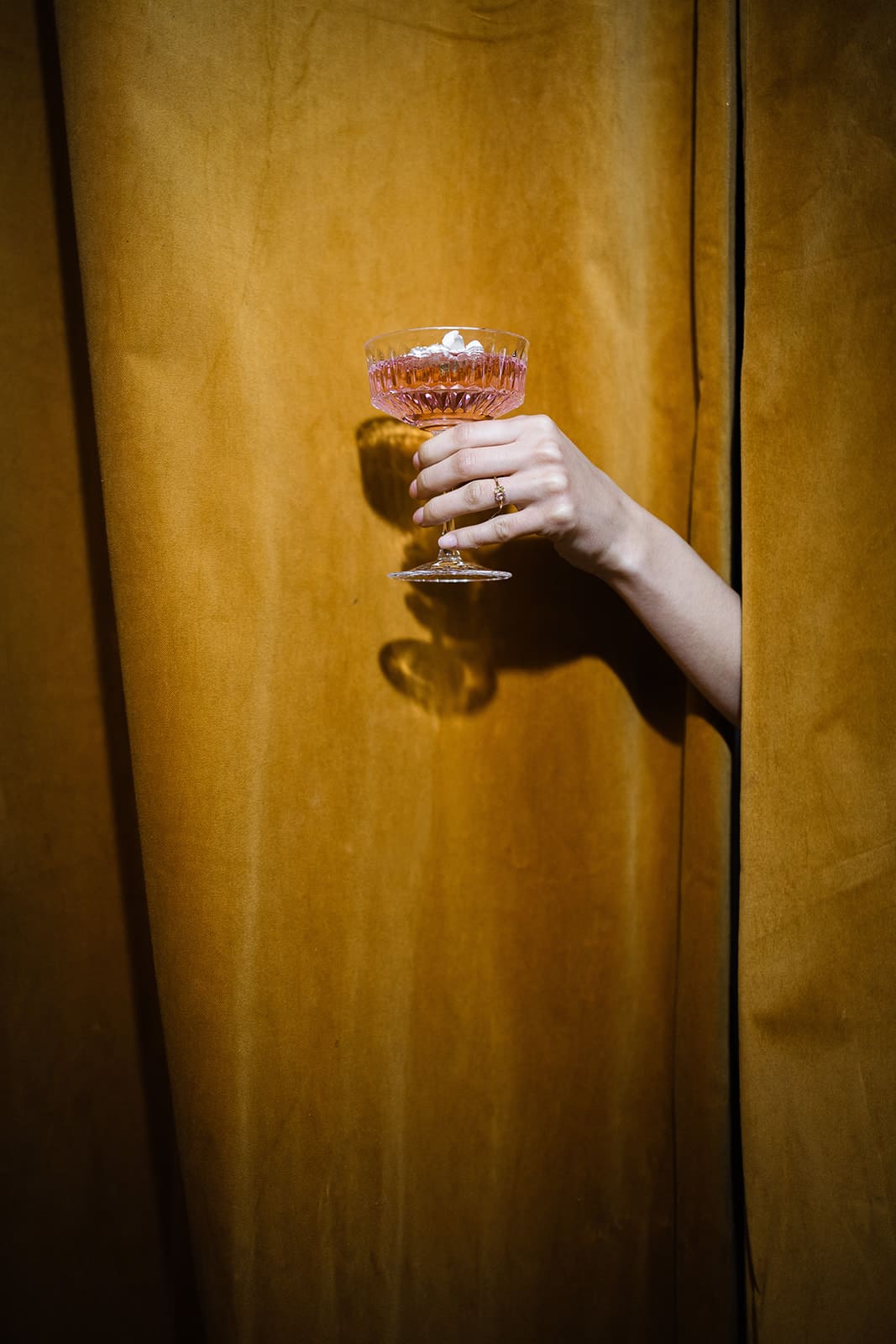
When it comes to materials, the Renaissance aesthetic is defined by richness and tactile quality. Velvet in deep, saturated tones works beautifully as table runners, while brocade can be incorporated through subtle accents such as draping or textiles. Heavy linen napkins add texture and depth. These materials carry a certain weight and presence that immediately evoke the opulence of the era.
What matters most, however, is restraint. Not every surface needs to be covered. A single velvet runner placed on a simple wooden table often creates far more impact than an overly layered design. Renaissance-inspired weddings feel strongest when richness is balanced with space and intention.
The stationery follows the same principle of thoughtful composition. Inspiration can be drawn from the framing and balance of old paintings: centered layouts, geometric borders, subtle embossing, or refined gold details. Instead of overly ornamental calligraphy, elegant serif typography inspired by classical manuscripts often feels more timeless and contemporary. Handmade paper with a textured surface reinforces the historical atmosphere while modern layouts keep the overall aesthetic refined rather than nostalgic.
Photography: Johanna Hollstein
Florals between still life and editorial aesthetics
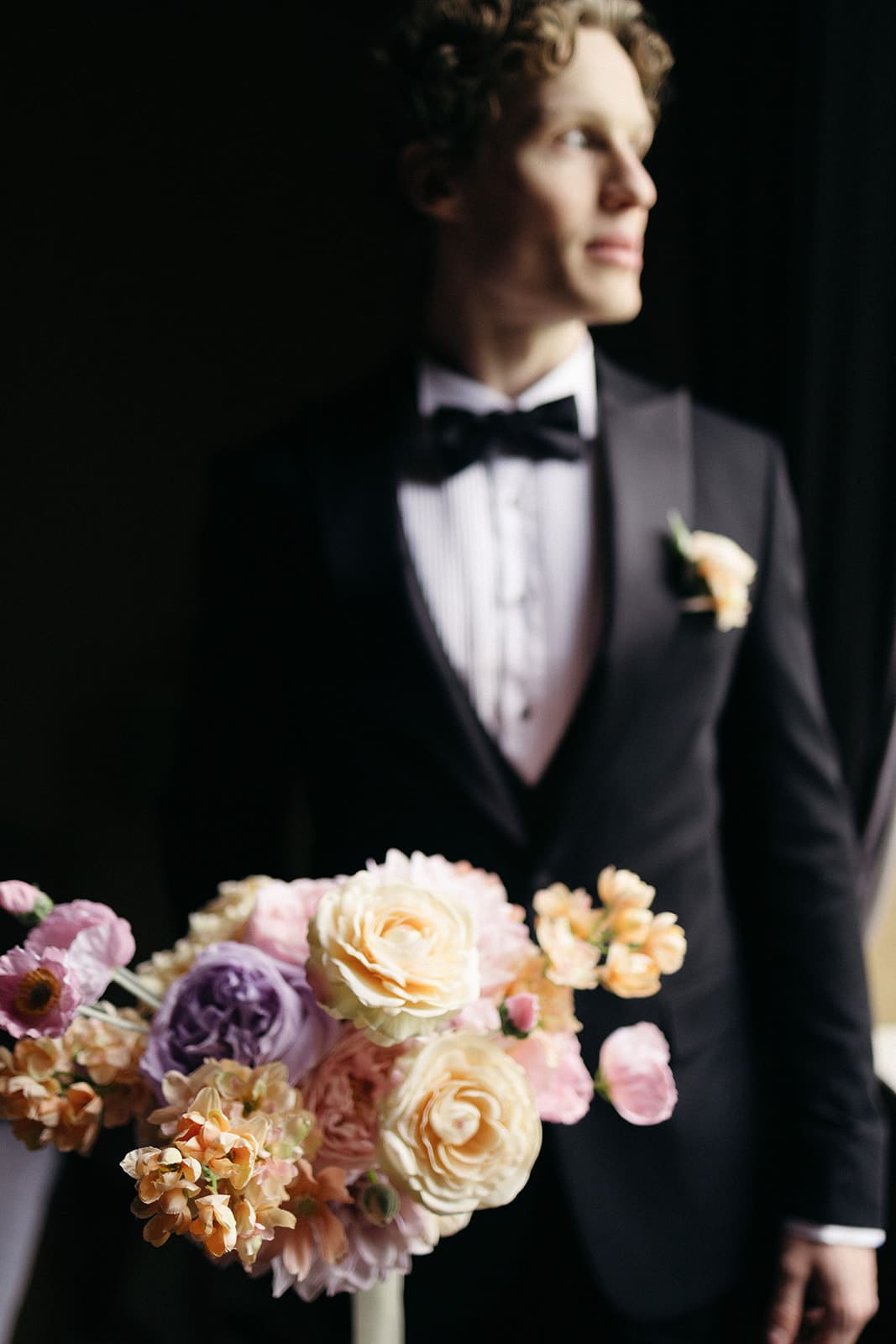
Renaissance still lifes are known for their abundance — arrangements that appear almost accidental, yet feel deeply composed at the same time. Translating this into wedding florals means working with lush blooms such as roses, dahlias, and amaranthus, layered with eucalyptus, ivy, and textured greenery. Fresh fruits like grapes, pomegranates, and figs can be incorporated throughout the arrangements to create richness, sensuality, and a connection to classical still-life paintings.
What keeps this aesthetic modern is not excess, but composition.
The editorial quality comes from intentional balance rather than uncontrolled fullness. Instead of perfectly symmetrical centerpieces, work with asymmetry and visual movement: one side more abundant, the other more restrained, while the overall composition still feels harmonious. Let grapes fall naturally over the edge of a table or allow florals to extend beyond their vase, as though the arrangement is expanding into the room itself. This creates a feeling that is organic, atmospheric, and painterly without becoming overly theatrical.
Choosing the right venue — historic spaces or modern interpretation
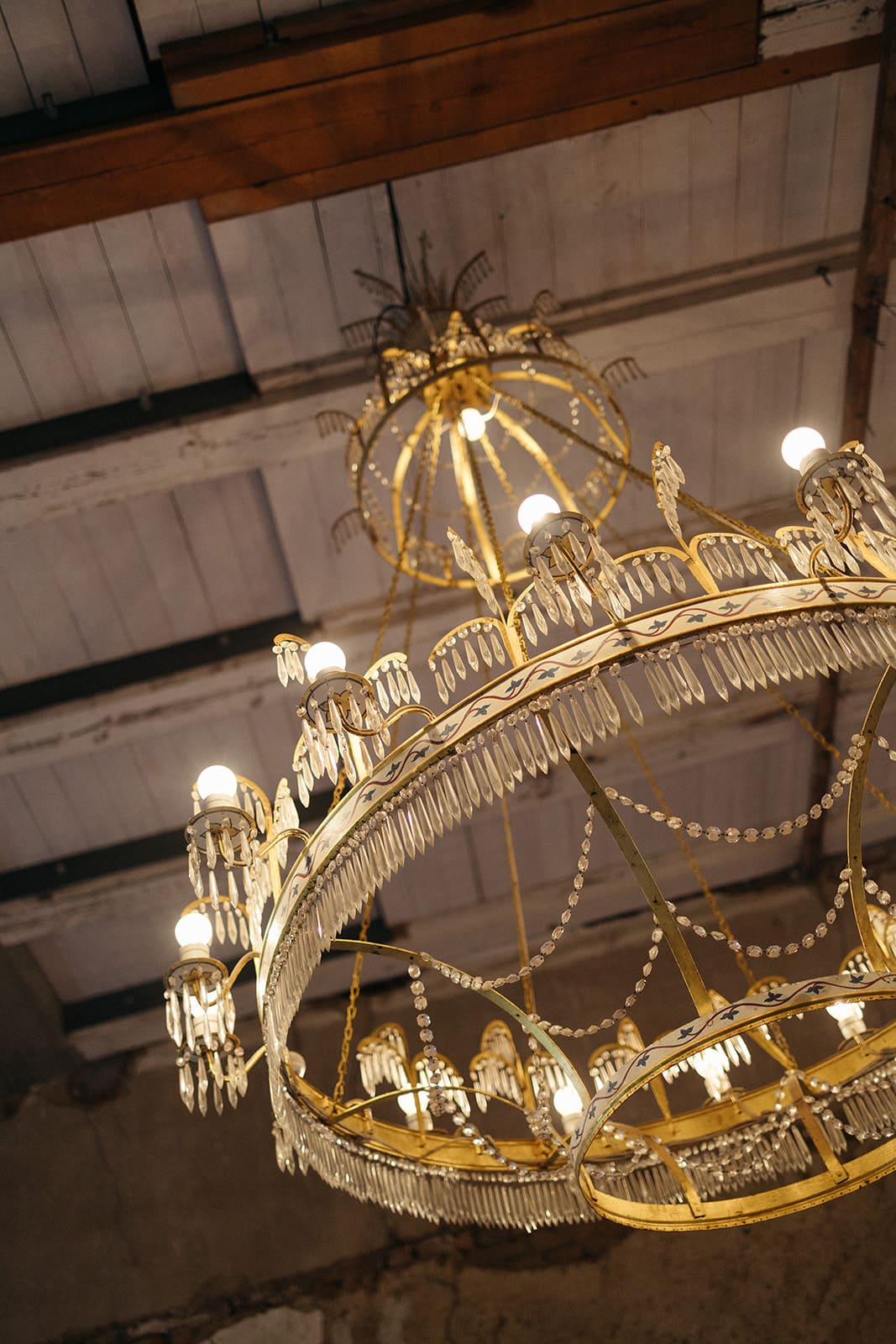
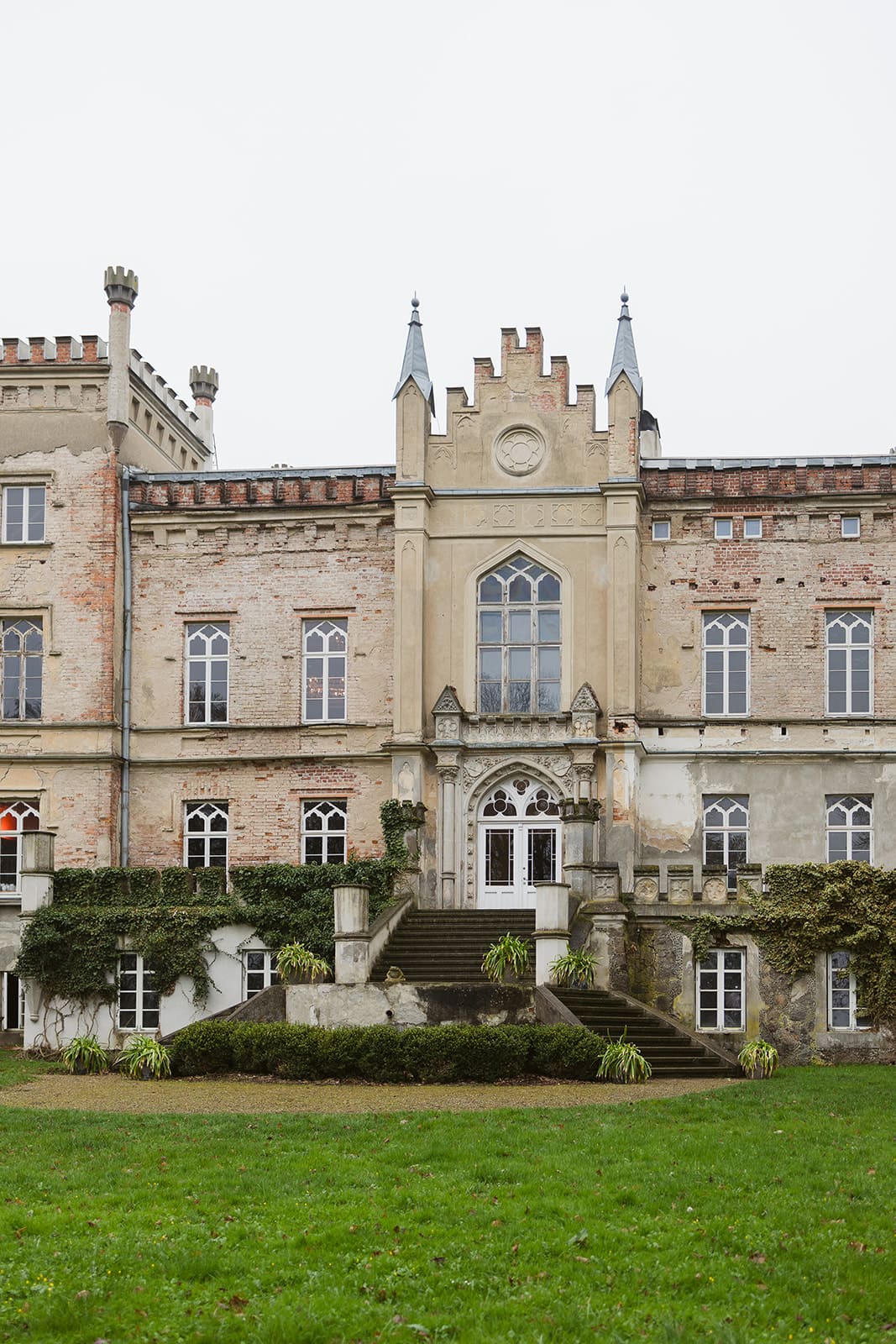
Historic venues naturally lend themselves to Renaissance-inspired weddings. Castles, palazzi, old libraries, museums, and spaces with Renaissance architecture already carry the atmosphere that defines this aesthetic. High ceilings, stone arches, columns, aged walls, and dark wood paneling create a setting that feels cinematic and timeless. In these environments, very little additional decoration is needed because the architecture itself already tells a story.
At the same time, this aesthetic can also be translated beautifully into more modern spaces.
The key is proportion, texture, and lighting. Look for venues with high ceilings, clean architectural lines, and generous natural light. Even industrial or contemporary spaces can be transformed through carefully chosen textiles, layered materials, and a restrained color palette.
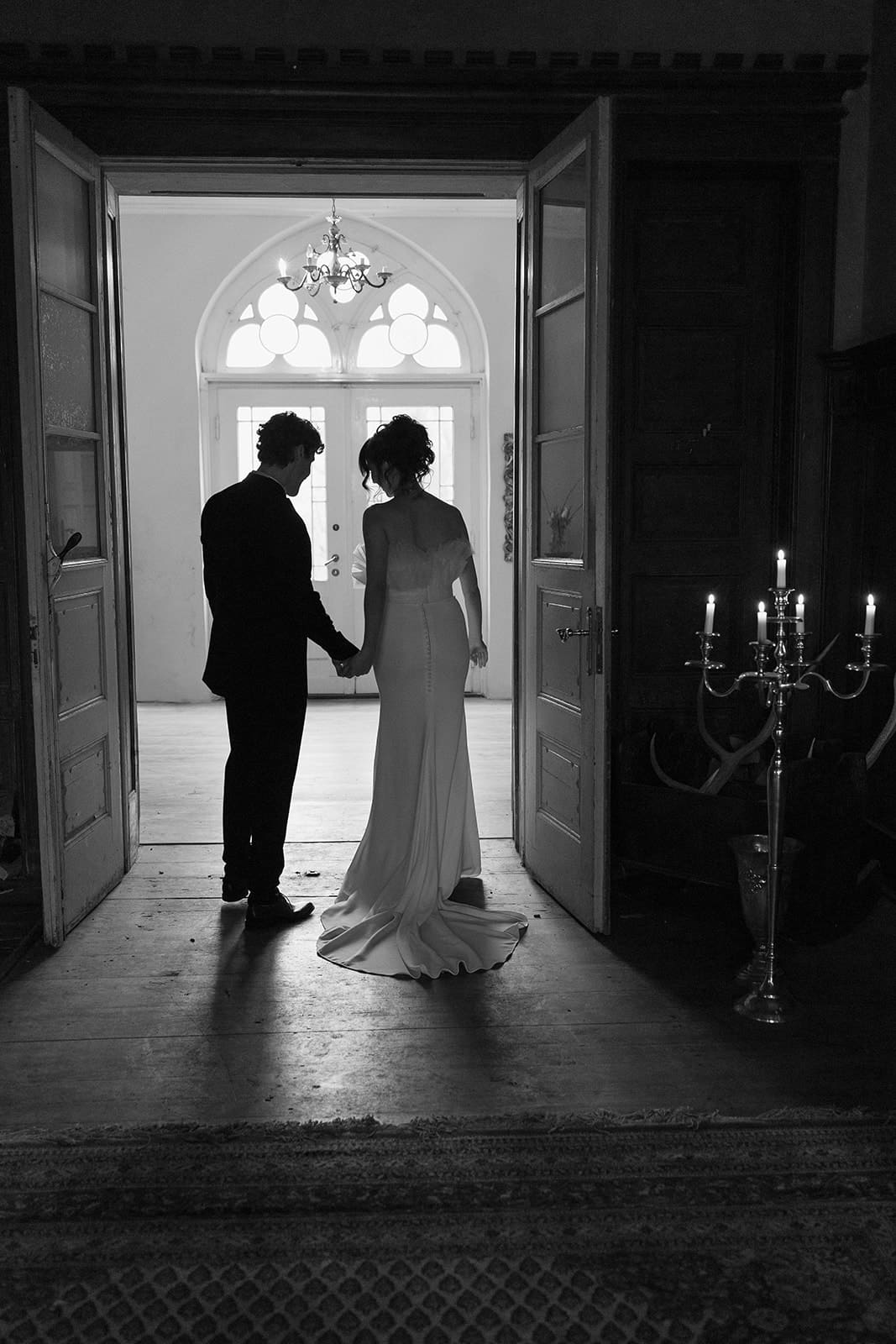
Lighting plays an especially important role. Large windows that create soft directional daylight, dimmable lighting for atmosphere, and candlelight-inspired warmth all help recreate the chiaroscuro effect so characteristic of Renaissance paintings — the dramatic interplay between light and shadow that gives the entire space emotional depth.
Photography: Johanna Hollstein
Collaborating with vendors for a Renaissance-inspired wedding
How to communicate your vision to florists, photographers, and planners
One of the biggest challenges with a Renaissance-inspired wedding is communicating the vision clearly. Instead of relying on vague descriptions, create a visual moodboard with concrete references. Include Renaissance paintings by artists such as Titian or Caravaggio, classical still lifes filled with fruit and florals, and images of historic interiors with dramatic chiaroscuro lighting. Do not only show your florist pictures of flowers — show the atmosphere you want to create as a whole.
The same applies to photography. Explain that you are drawn to editorial imagery with intentional compositions, sculptural poses, and quiet emotional moments rather than fast-paced documentary snapshots. The more precisely you define the two or three Renaissance-inspired elements that matter most to you, the easier it becomes for every vendor to interpret the aesthetic consistently.
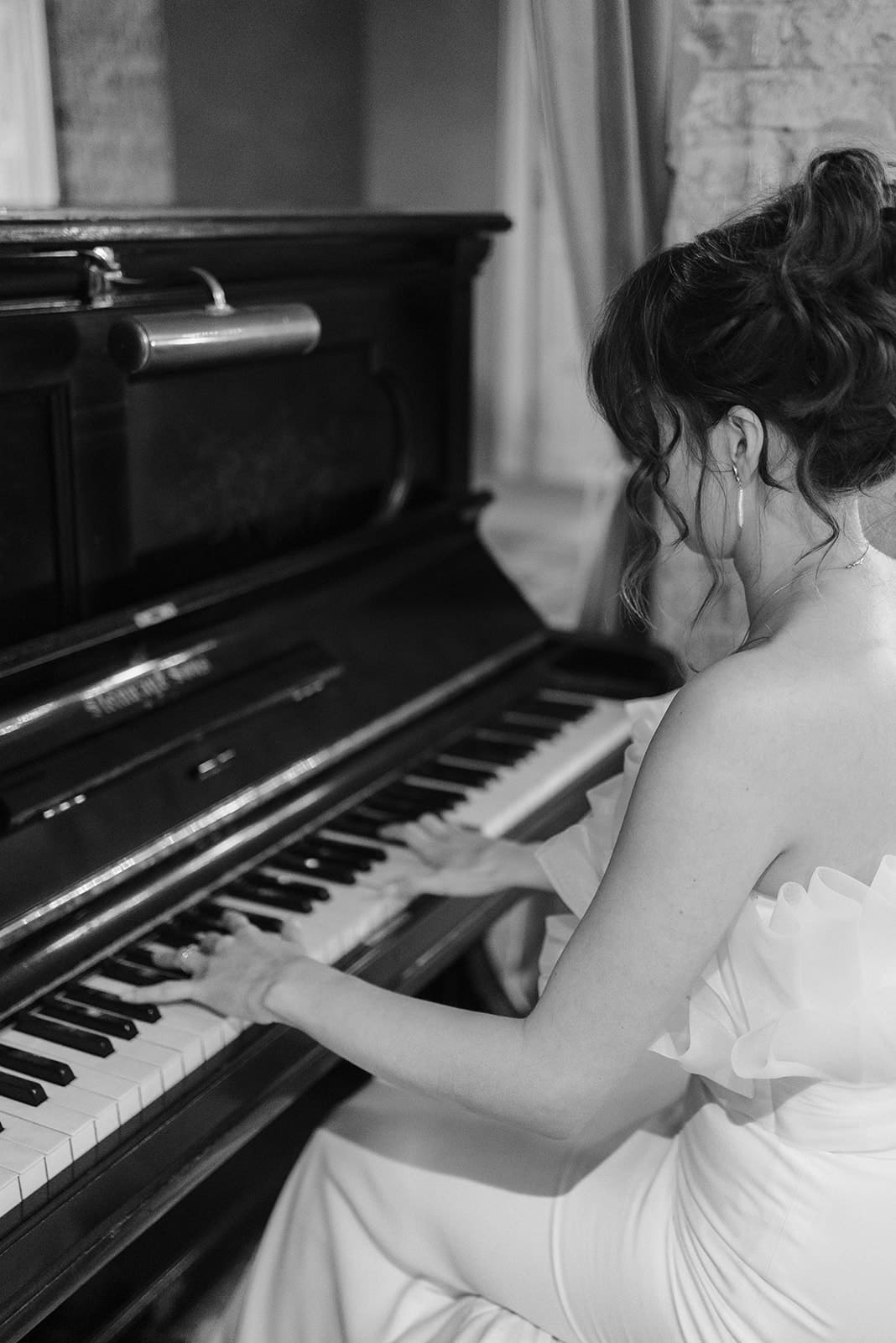
Music also plays an important role in shaping the atmosphere. Whether you choose a classical ensemble for the ceremony or modern interpretations during the reception, the soundscape should feel aligned with the visual identity of the wedding. Experienced live musicians understand how to combine historical references with contemporary emotionality in a way that feels elegant rather than theatrical.
Budgeting realistically — where this aesthetic becomes more expensive and where it does not
A Renaissance-inspired wedding does not automatically have to be more expensive than other wedding aesthetics. In fact, couples can often save money by avoiding oversized floral walls or elaborate trend-driven installations and instead focusing on fewer, more intentional elements. Candleholders, velvet table runners, sculptural florals, and fruit arrangements are often more cost-effective than large-scale modern décor concepts.
The right venue can also reduce design costs significantly. Historic spaces already bring atmosphere, architectural depth, and visual character, meaning far less additional styling is required. A venue with historic architecture, aged textures, or dramatic lighting already does much of the visual work for you.
Where costs may increase, however, is in custom details. Bespoke stationery with foil embossing, editorial-style photography with extended shooting time, and carefully planned lighting concepts often require a higher budget. Music can also become more complex when couples want to blend classical references with contemporary compositions in a cohesive way.
Common mistakes to avoid
One of the most common misunderstandings is that vendors interpret “Renaissance” as medieval styling or overly theatrical baroque decoration. It is important to communicate from the beginning that you are not planning a costume-inspired wedding, but a modern interpretation rooted in atmosphere, composition, and timeless aesthetics.
Show references to contemporary editorial photography inspired by classical art rather than historical reenactments. This helps establish the balance between historical inspiration and modern restraint.
Another common misconception concerns the color palette. Many people immediately associate historical aesthetics only with gold and bright red. In reality, earthy terracotta tones, deep burgundy, muted greens, cream tones, and ultramarine blue are equally essential to achieving a refined Renaissance atmosphere. Metallic accents should feel intentional and subtle rather than overwhelming.
The strongest Renaissance-inspired weddings are not literal reproductions of the past. They are carefully curated interpretations that translate the emotional richness of old art into a contemporary celebration.
Photography: Johanna Hollstein
Frequently asked questions about Renaissance-inspired weddings
Doesn’t a Renaissance-inspired wedding quickly become theatrical or costume-like?
Only if you try to recreate the era literally. A modern interpretation intentionally focuses on just a few defining elements — such as the color palette, lighting, or materiality — while bridal fashion, styling, and stationery remain contemporary and refined.
Think of the way museums present old master paintings inside minimal white spaces: the art retains its emotional impact without the entire environment needing to feel historically staged.
How much historical accuracy is actually necessary?
Very little.
The goal is not museum-level historical precision, but emotional atmosphere and aesthetic principles: symmetry, chiaroscuro lighting, rich textures, and layered compositions. No one expects authentic Renaissance costumes or historically accurate menus.
The real question is simply:
Does it feel beautiful, intentional, and emotionally aligned with you as a couple?
Does this aesthetic also work for outdoor ceremonies?
Absolutely.
Gardens, courtyards, historic villas, and spaces framed by old architecture are especially suited to Renaissance-inspired weddings. Natural side light in the late afternoon creates the soft chiaroscuro atmosphere so characteristic of Renaissance paintings, while architectural details such as arches, columns, or stone walls naturally enhance the setting.
Florals can reference classical still lifes and historical garden imagery while still remaining modern in composition and styling.
Which season works best for this wedding aesthetic?
Autumn and early winter are especially fitting because the palette of burgundy, terracotta, dark green, and candlelight naturally complements the atmosphere of the season. The earlier sunsets also allow lighting and candles to become part of the experience much sooner.
At the same time, early summer works beautifully as well — particularly with roses, peonies, fruit arrangements, and lush floral compositions inspired by Renaissance still lifes.
Can Renaissance-inspired elements be combined with other aesthetics?
Yes — and in fact, that often creates the most authentic and personal result.
Renaissance-inspired color palettes pair beautifully with modern minimalism, editorial photography works across many aesthetics, and symbolic details such as pomegranates, laurel branches, pearls, or antique-inspired objects can be integrated subtly into almost any wedding style.
What matters most is maintaining a clear visual direction rather than combining too many unrelated aesthetics at once.
Conclusion: Rediscovering timeless beauty in modern wedding design
A Renaissance-inspired wedding is far more than a reproduction of a historical style. It is a conscious decision in favor of aesthetics with depth, craftsmanship, atmosphere, and emotional storytelling instead of fast-moving trends.
If you feel drawn to the art and emotional world of this era, you gain access to a design language filled with sensual textures, dramatic contrasts, symbolic richness, and timeless elegance. This combination of visual power and emotional resonance is exactly what makes the Renaissance so compelling for modern couples today.
The strength of this aesthetic lies in restraint.
Instead of recreating an entire historical world, the most successful concepts focus intentionally on two or three defining Renaissance-inspired elements and reinterpret them in a contemporary way. Perhaps that means terracotta tones and deep burgundy combined with dramatic lighting. Or symmetrical table compositions inspired by classical paintings, layered with fruit, florals, and sculptural details reminiscent of still lifes.
This intentional reduction prevents the design from feeling theatrical or costume-like. Instead, the result becomes atmospheric, refined, and timeless.
Equally important is the collaboration with experienced vendors who understand how to translate artistic inspiration into a cohesive wedding experience. A photographer with an editorial eye will capture the calm compositions and nuanced lighting that define the atmosphere. Florists who understand symbolism can integrate pomegranates, laurel branches, or antique-inspired details in subtle ways. And the venue — whether a historic palace or a modern architectural space with strong proportions and dramatic light — becomes part of the narrative itself.
In the end, a Renaissance-inspired wedding is not about historical accuracy.
It is about understanding what continues to move us about this era today:
the appreciation for beauty, the attention to detail, the emotional depth, and the belief that aesthetics can create meaning.
And those values translate beautifully into a wedding that feels personal, timeless, and unforgettable.
Photography: Johanna Hollstein
Photography: @johannahollstein
Art Direction and Wedding Planner: @artiage_exklusive_hochzeiten
Wedding Day Coordinator: @vanessas_hochzeitszauber
Venue: @herrenhausvogelsang
Faux Floral Artist: @allegriadecorations
Culinary Experience: @brambleberlin
Styling: @brautstyling.nikky.riemer
Bridal Design: @gerbaulet.bridal
Suit: @uncleandnephew_berlin
Bride&Groom: @liviandteo
Decoration:@art.of.lovely.moments
Stationery:@creativitydesign__a
Jewelry: @einzigartigerschmuck
Content Creator: @lbmarketingfairy


