Why Analog Photography Makes Artful Museum Weddings Timeless
February 17, 2026

Why Analog Photography Makes Artful Museum Weddings Timeless
Analog & Film as a Conscious Aesthetic Choice
In a moment when wedding photography is often dominated by maximum sharpness, technical perfection, and a seemingly endless number of digital images, many couples are longing for something different. They no longer want to simply capture every moment; they want images that convey atmosphere and resonate emotionally.
Especially at a museum wedding, where art, architecture, and spatial experience play a central role, photography itself becomes a creative element. It does more than document the day — it interprets it. In this context, analog photography on 35mm film is not a nostalgic throwback to the past but a deliberate aesthetic decision. Film photography stands for reduction, for intention, and for timelessness — and it aligns beautifully with weddings that are conceived as artful, holistic experiences.

Museum Weddings — Why Visual Language Matters
A wedding in a museum follows different principles than a celebration in a traditional event location. Museums are curated spaces where light, materiality, architectural lines, and proportions are carefully composed. The atmosphere often arises from restraint and quietness rather than opulence or elaborate decoration.
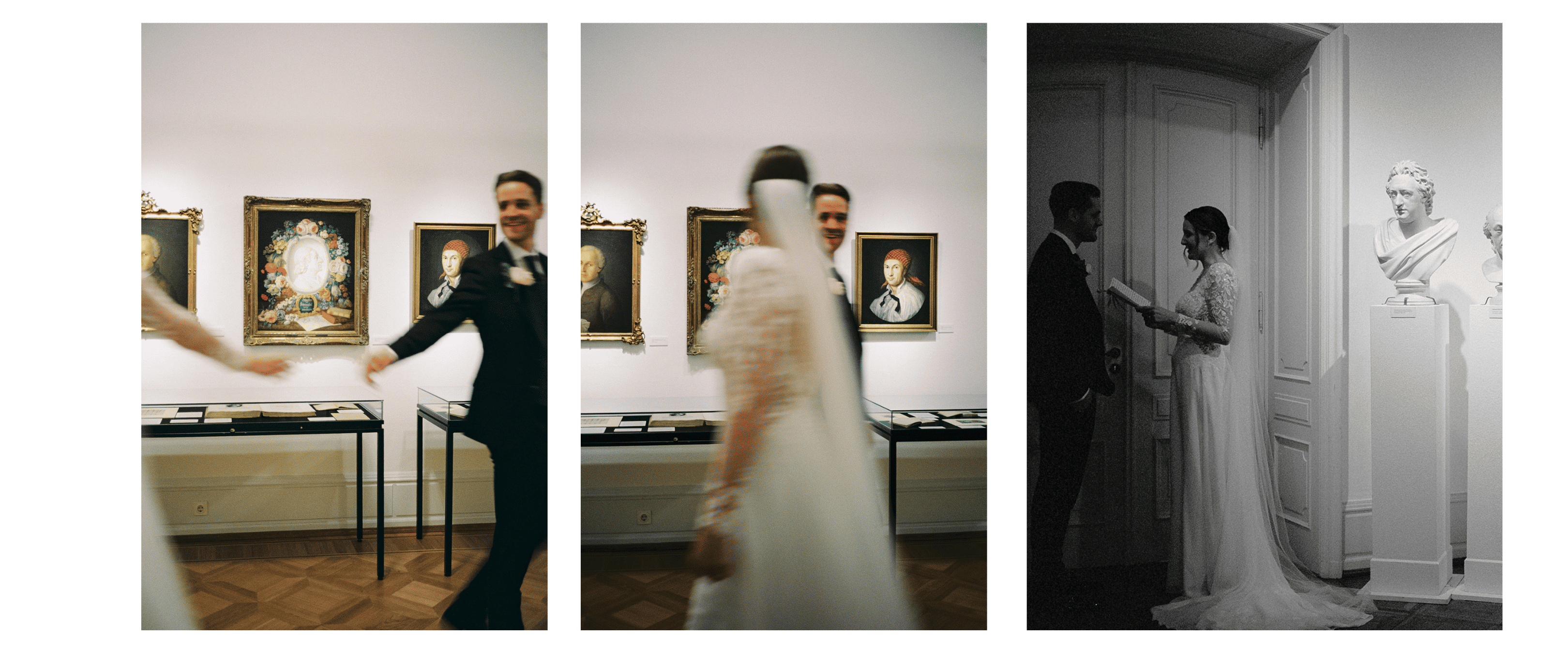
In such an environment, photography cannot be arbitrary. It must engage gently with the space and respect its character. The high-gloss digital aesthetic — with strong contrasts and razor-sharp detail — can easily dominate and overshadow the surroundings. Analog photography, on the other hand, works with available light, soft transitions, and subtle tonal nuances. It blends into the setting and enhances the atmosphere instead of overpowering it.
Especially in historical halls, modern concrete interiors, or beneath glass ceilings, this kind of visual language creates a dialogue between architecture, human presence, and art.
Why Analog Photography Works So Well at Museum Weddings
Analog wedding photography involves a form of deceleration that is just artistic weddings is of great importance. Since film is limited and every shot must be chosen consciously, there is automatically a greater focus on light, composition and the decisive moment. The photographic process is becoming more mindful, more precise and at the same time quieter.
Instead of producing hundreds of nearly identical images, film yields photographs that carry weight and expressive intent. These pictures do not strive for technical perfection, but for honesty and atmosphere. In museum settings, where details speak quietly and architectural presence is strong, this kind of visual restraint enhances the character of the location and the emotion of the day.
35mm Film as an aesthetic tool
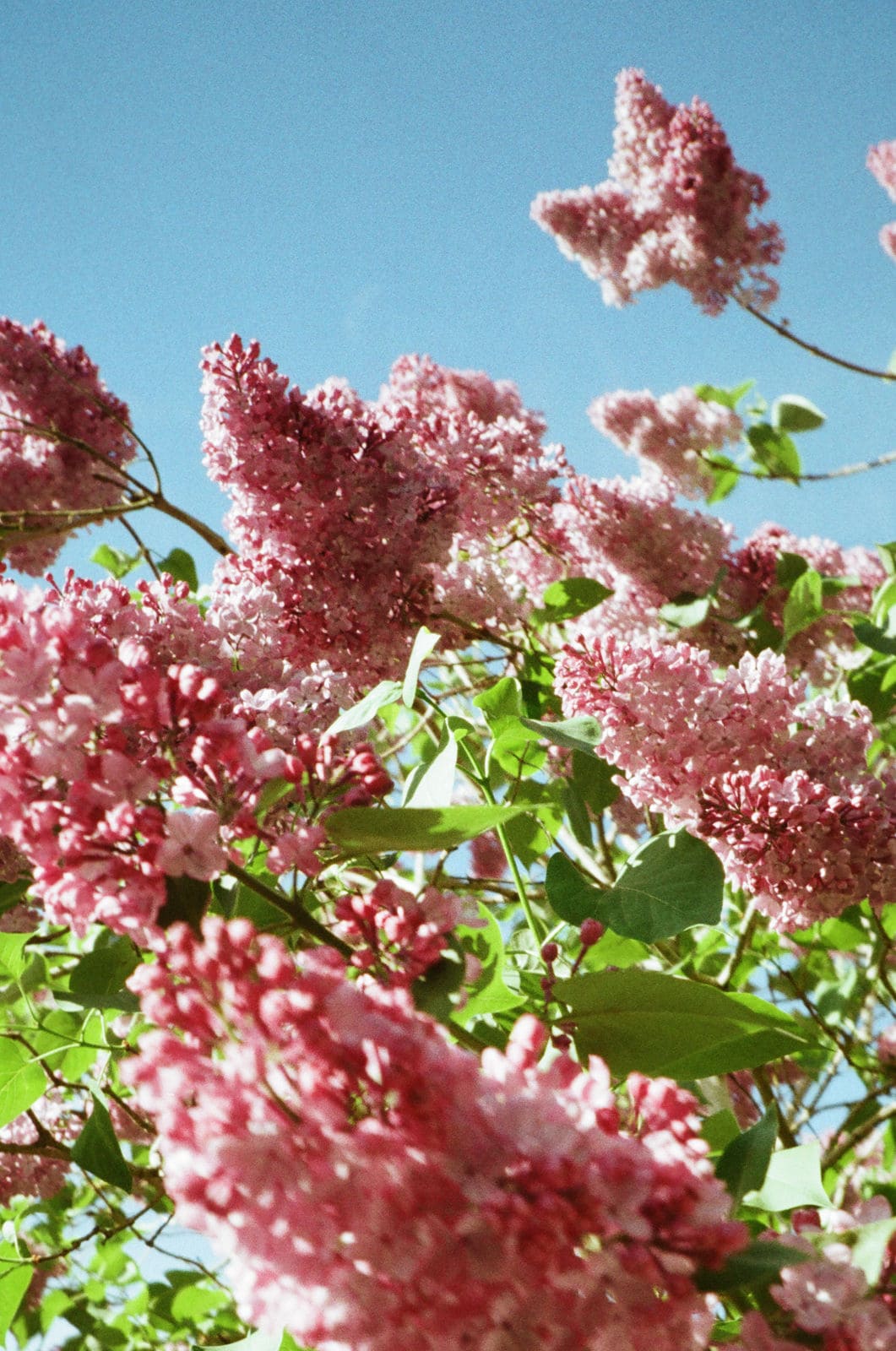
35mm film brings qualities that digital formats can rarely fully replicate. These include soft, natural contrasts, an organic color palette, fine grain, and a painterly sensibility. Skin tones appear delicate, light transitions feel harmonious, and shadows lose harshness.
In museum environments — with historic surfaces, sculptures, or clear modern architecture — this visual signature amplifies the atmosphere. While digital images can often appear highly precise and technical, film imparts depth and mood. It doesn’t diminish the space’s visual impact; it integrates seamlessly with its character. For artful museum weddings, using film is not a stylistic anomaly but a thoughtful continuation of the venue’s aesthetic.
Between Editorial Aesthetic and Emotional Storytelling
Analog wedding photography often works at the interface between editorial and documentary reporting. In their composition and lighting, the pictures are reminiscent of art or fashion series, yet remain intimate and approachable. It is not about staging for staging's sake, but about an aesthetic interpretation of the day.
The wedding day is not merely documented; it is interpreted through imagery that allows space for feeling. A glance caught in half-light, a movement lit from behind, a silent pause between words — film gives these moments their own depth. Especially at weddings in museums, galleries, or cultural institutions, this approach results in a visual narrative that stands apart from conventional wedding photography and feels timeless.
Digital and analog — why the combination is particularly convincing
It’s important to emphasize that analog photography does not replace digital photography — it complements it. Today, many wedding photographers work in a hybrid way, using both digital cameras and film. This combination is particularly effective for weddings in museums.
Digital photography offers flexibility in changing light conditions, quick response when moments unfold rapidly, and technical reliability in dynamic situations. Analog film, by contrast, brings aesthetic richness and emotional softness, producing iconic images with a unique character.
Together, both techniques create a balanced body of work that is both precisely documented and atmospherically expressive. For couples who value a carefully considered visual concept, this hybrid approach can be the ideal solution.

Weddings in museums require photographic sensitivity
useums present particular challenges. The lighting is often indirect or highly specific, surfaces are delicate, and schedules must be coordinated with museum staff. Architectural scale and proportion demand a photographer with an eye for perspective and nuance.
This is also where the value of working with an experienced wedding planner and a photography team familiar with cultural settings becomes clear. Photography must understand the space, respect its requirements, and still create emotional closeness. It is this balance — technical skill, artistic sensitivity, and spatial awareness — that defines the special quality of museum wedding photography.

Wedding planning in a museum — why experience is crucial here
A wedding in a museum not only has aesthetic features, but also organizational requirements that go far beyond classic locations. Fixed time windows, clear movement patterns, volume limits and close coordination with museum management and supervision are often part of the framework concept. In addition, there are sensitive works of art, historic floors or listed architecture, which require special consideration. One experienced wedding planner For weddings in museums, the precise coordination of all trades takes place here, ensures smooth processes and ensures that design, atmosphere and organization are harmoniously combined. Especially in a cultural space such as a museum, the lightness of the day only comes from careful preparation in the background.
Who Is Analog Wedding Photography Best For?
Choosing analog photography is a conscious aesthetic and emotional decision. It is particularly well-suited to couples who appreciate art, architecture, and design; who value quality over quantity; and who see their wedding as a curated visual experience rather than just an event. For those who place emotional depth above technical perfection and want a visual language that feels deliberate and timeless, analog photography is a compelling choice.
Conclusion
Analog photography and 35mm film are not merely decorative or trendy. They are a conscious aesthetic statement. In combination with a museum wedding, thoughtful planning, and an intentional design concept, film creates imagery that does not chase fleeting trends, but endures.
These photographs feel quiet yet powerful, reduced yet expressive — and for that reason, they remain meaningful and beautiful for years to come.